



Tebas calls for Infantino's departure and attacks FIFA's management
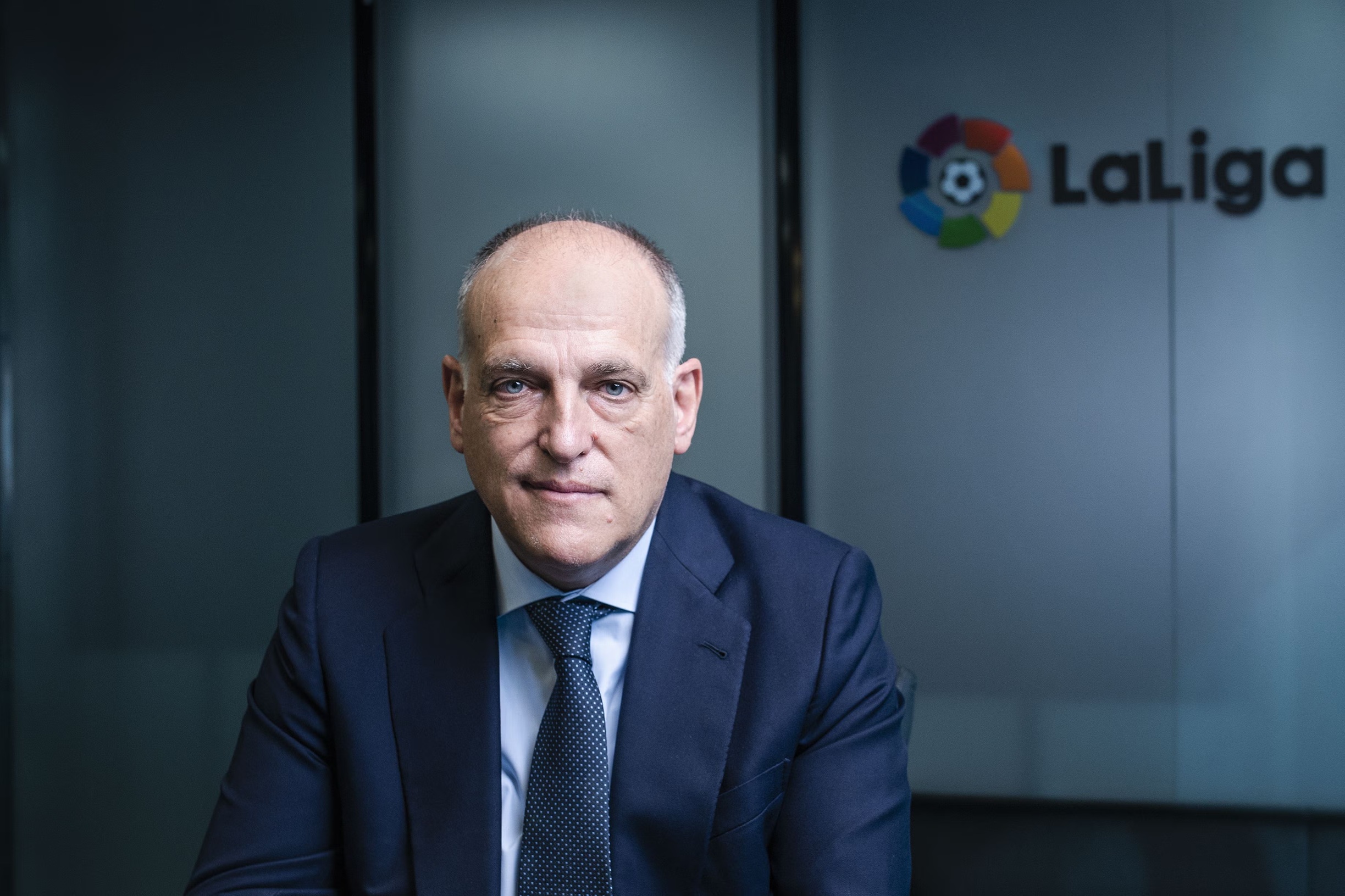
Javier Tebas, president of La Liga, continued his attack on FIFA's leadership, asserting that while the federation's withdrawal of its plans to privatize its competitions was a positive step, it did not address the root causes of the crisis plaguing global football governance. He called for comprehensive reforms, beginning with a change in the current leadership. Tebas clarified that withdrawing the proposal should not lead continental and national federations, leagues, clubs, and players to believe the crisis is over. He emphasized that the problem transcends a single project and is linked to a management style that concentrates power and limits the participation of various stakeholders in decision-making. He pointed to several issues that still raise questions, including the reversal of the red card rule following political interference, the ongoing investigation in the US Congress into FIFA President Gianni Infantino over what he described as serious allegations, the criticism surrounding World Cup ticket prices, and decisions regarding the international calendar and the launch of new tournaments without broad consensus among stakeholders. The president of La Liga emphasized that the core of the crisis lies in FIFA's governance model, arguing that it weakens oversight and checks and balances, granting broad powers to a single entity while federations, leagues, and clubs bear the brunt of these decisions, both sporting and economic. He added that global football needs a new era based on transparency, dialogue, and participatory decision-making, rather than unilateral imposition. He pointed out that any changes to the competition system or the international calendar must be preceded by a comprehensive assessment of their sporting, economic, and social impacts. Tebas concluded by asserting that Gianni Infantino should not remain as FIFA president, believing the organization needs new leadership to rebuild trust, improve governance, and ensure the participation of all stakeholders in shaping the future of football. He stressed that reversing the privatization project is just the beginning, and that what has emerged so far represents only "the tip of the iceberg."