



Spain takes the top spot in FIFA rankings, while Morocco and Egypt make historic leaps
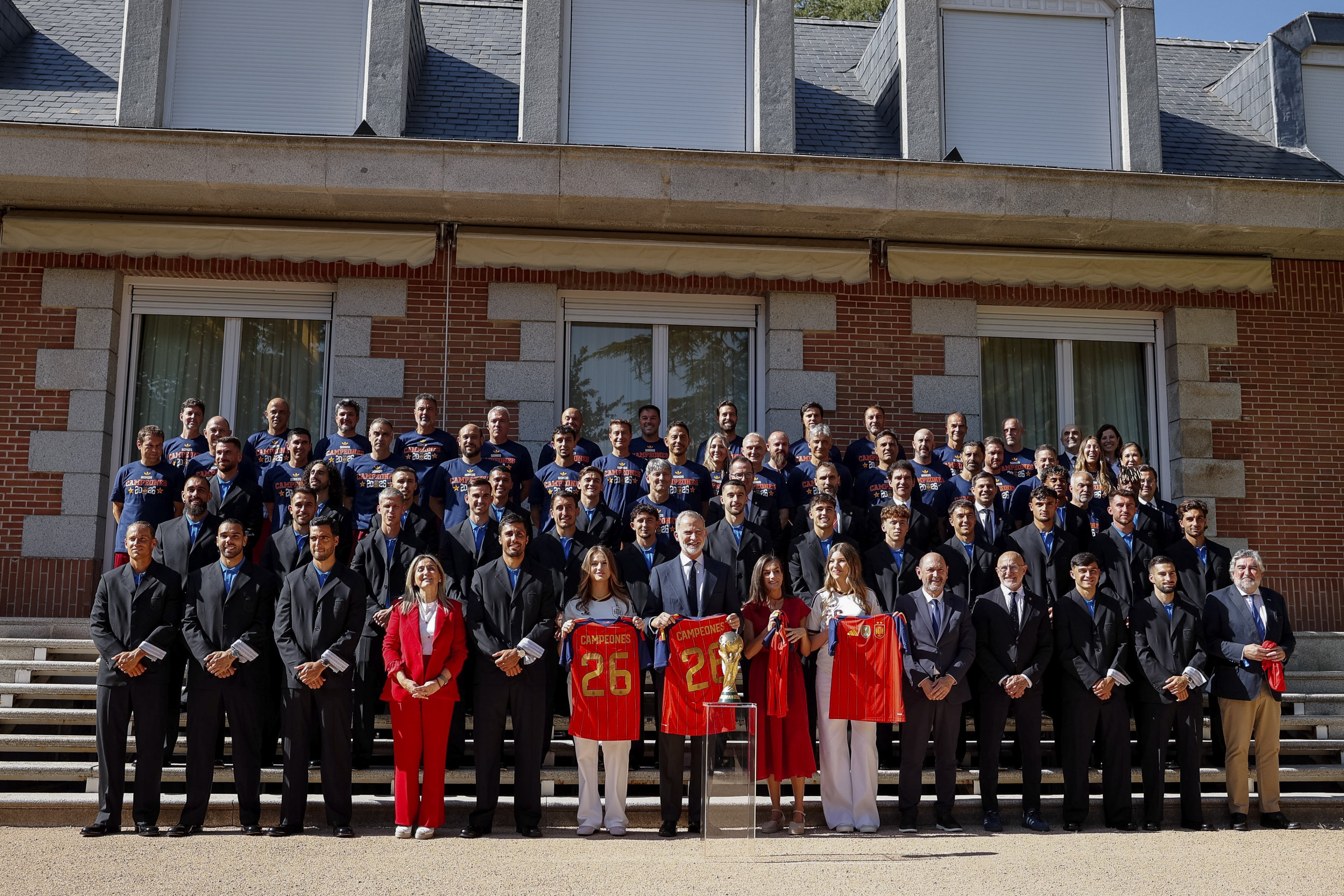
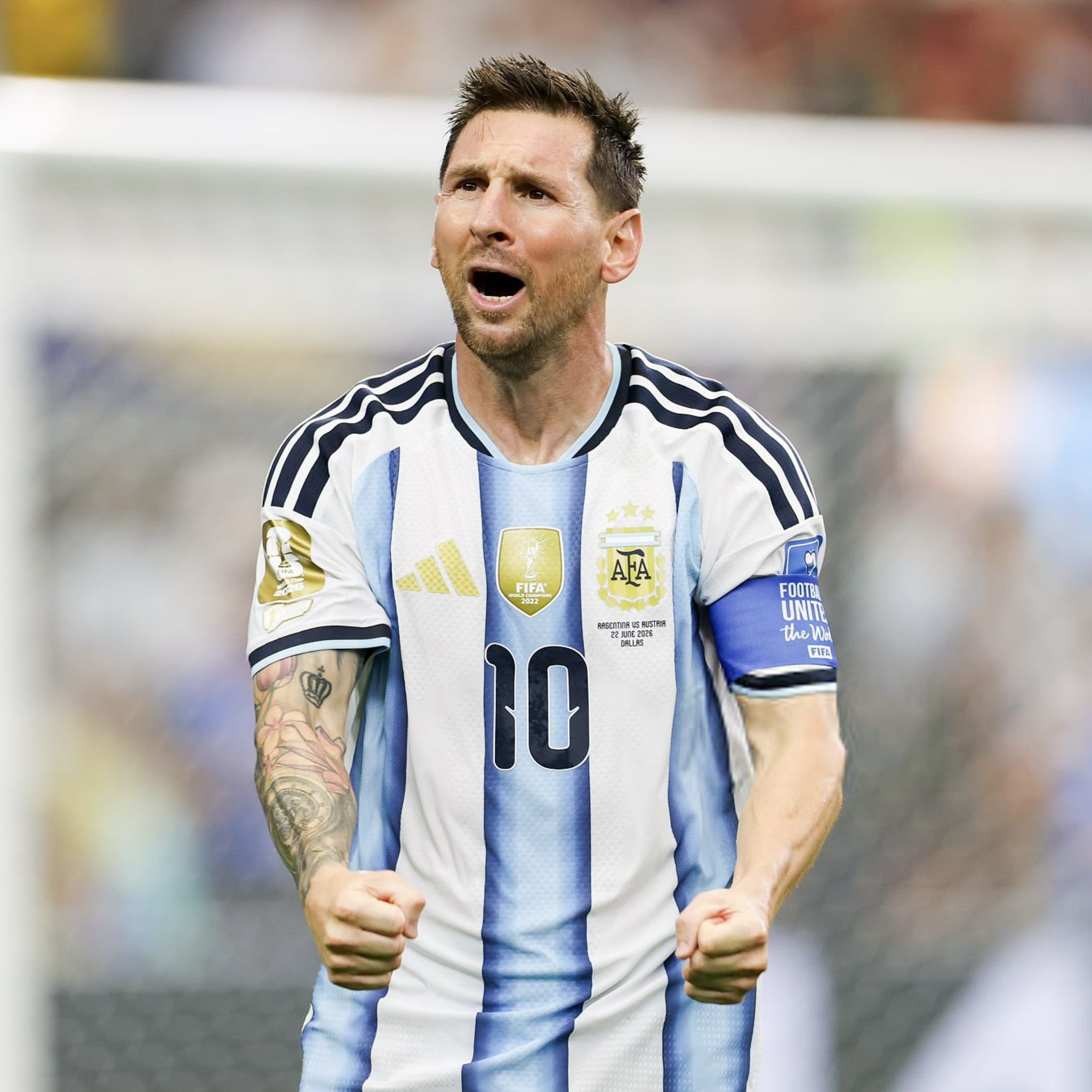
The results of the 2026 World Cup have reshaped the world rankings, with FIFA releasing its July rankings following the conclusion of the tournament hosted by the United States, Canada, and Mexico, which saw Spain crowned champions for the second time in their history. The update brought significant changes at the top, along with historic leaps for several teams, most notably Morocco and Egypt, while others experienced notable declines. The world rankings are based on a system that considers match results, the strength of the opponent, and the importance of the tournament, giving World Cup matches the highest point value. This means that the tournament's results directly impact the rankings of national teams worldwide. Spain emerged as the biggest winner after their victory over Argentina in the final, propelling them to the top of the world rankings with 1995.88 points, having added 121.17 points during the ranking period – the highest point gain of any team in this update. In contrast, Argentina lost its world number one ranking and dropped to second place with 1970.37 points, despite reaching the final. France maintained its third-place position, while England came in fourth. Brazil fell to fifth place after being eliminated from the tournament before the final stages.
Morocco continues to make history.
On the Arab and African front, the Moroccan national team continued to make history, climbing to sixth place globally with 1803.99 points, becoming the first Arab and African team to reach this position in the history of the FIFA rankings.
This achievement came after the strong performance of the "Atlas Lions" in the World Cup, where the team reached the quarter-finals before being eliminated by France with a 2-0 loss. This confirms their continued presence among the world's elite teams, following their historic achievement in the 2022 World Cup.
Egypt is the second-best Arab team
. Morocco wasn't the only Arab team to gain ground, as the Egyptian national team made a remarkable leap, climbing five places to reach 24th place globally with 1597.04 points, making it the second-best Arab and African team in the new rankings.
Egypt's rise in the rankings came after their positive performance in the World Cup, where they reached the Round of 16 and delivered strong performances against top teams. This was directly reflected in their FIFA ranking, strengthening their position among the elite teams on the international stage. Meanwhile, Algeria maintained its place among the top 30 teams in the world, ranking 29th with 1576.80 points.
Tunisia
suffered the biggest drop among Arab teams, falling 12 places to 57th globally, marking the largest decline among all teams in the July update.
Saudi Arabia ranked 58th globally, followed by Qatar at 59th, Iraq at 63rd, the UAE at 68th, Jordan at 73rd, and Oman at 79th.
Europe maintains its dominance.
European teams maintained their dominance of the top spots, with Spain, France, England, Portugal, Belgium, and the Netherlands all making the top ten. Germany came in twelfth, Croatia thirteenth, Switzerland fourteenth, and Italy fifteenth.
In Africa, Morocco retained its lead, followed by Senegal in eighteenth place globally, then Egypt in twenty-fourth, Nigeria in twenty-sixth, and Algeria in twenty-ninth, ahead of Ivory Coast, DR Congo, Cameroon, Mali, and South Africa. In Asia
, Japan remained the continent's top-ranked team, holding seventeenth place globally, ahead of Iran, Australia, and South Korea. Saudi Arabia ranked fifth in Asia, followed by Uzbekistan, Iraq, the UAE, Jordan, and Oman.
Norway made the biggest leap,
and the rankings also witnessed one of the year's biggest surprises, with the Norwegian national team achieving the largest jump of any team, advancing 12 places to reach 19th in the world. This was thanks to their impressive run in the World Cup, led by their star player Erling Haaland.
The new rankings confirm that the impact of the 2026 World Cup was not limited to Spain's victory; it also reshaped the balance of power in international football, with the rise of teams that have asserted themselves strongly, most notably Morocco, Egypt, and Norway, while other teams have fallen, paying the price for their results in the tournament. The July rankings mark the beginning of a new phase of competition ahead of upcoming continental and international tournaments.