



The 2026 World Cup: Between record-breaking numbers and the expansion debate
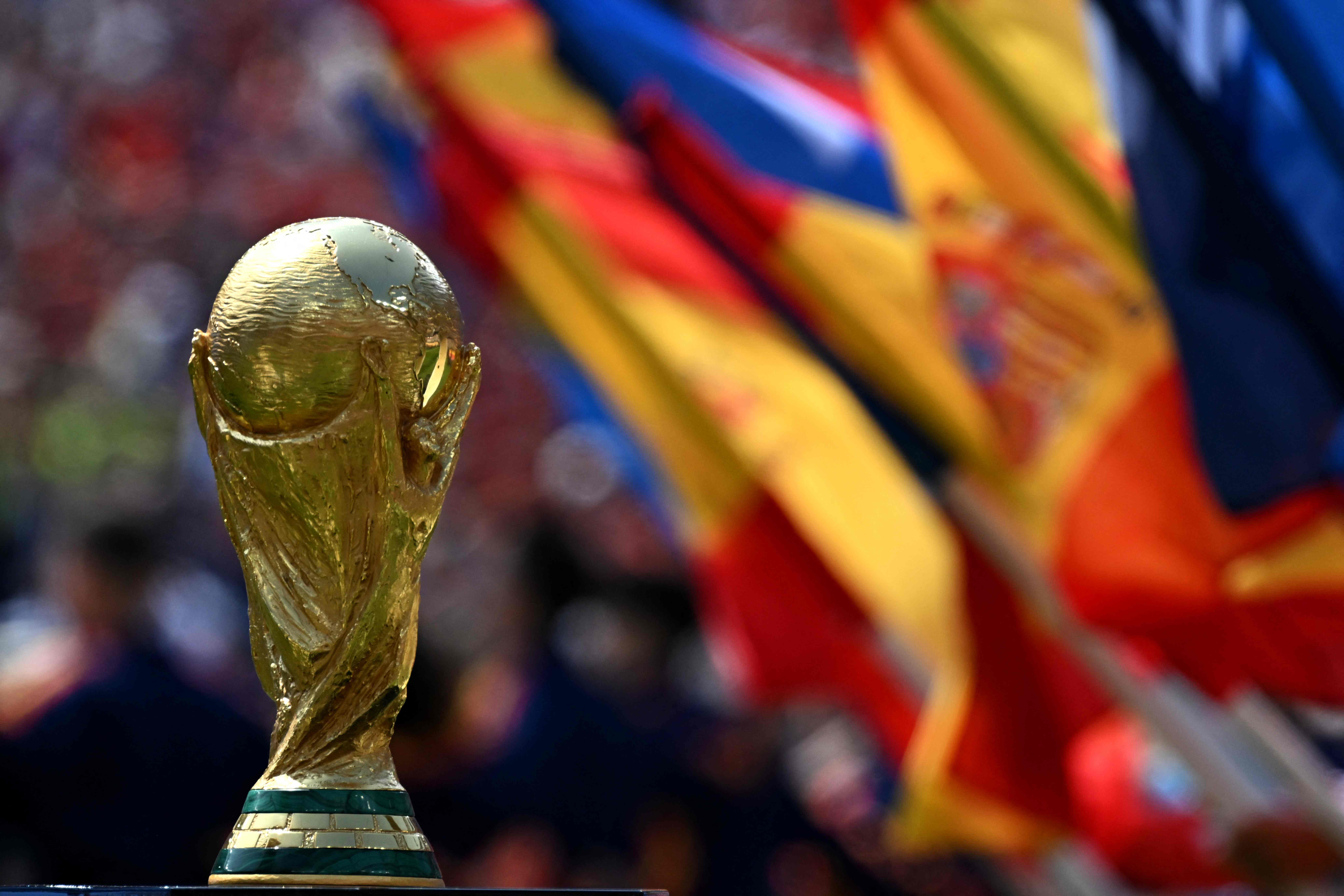
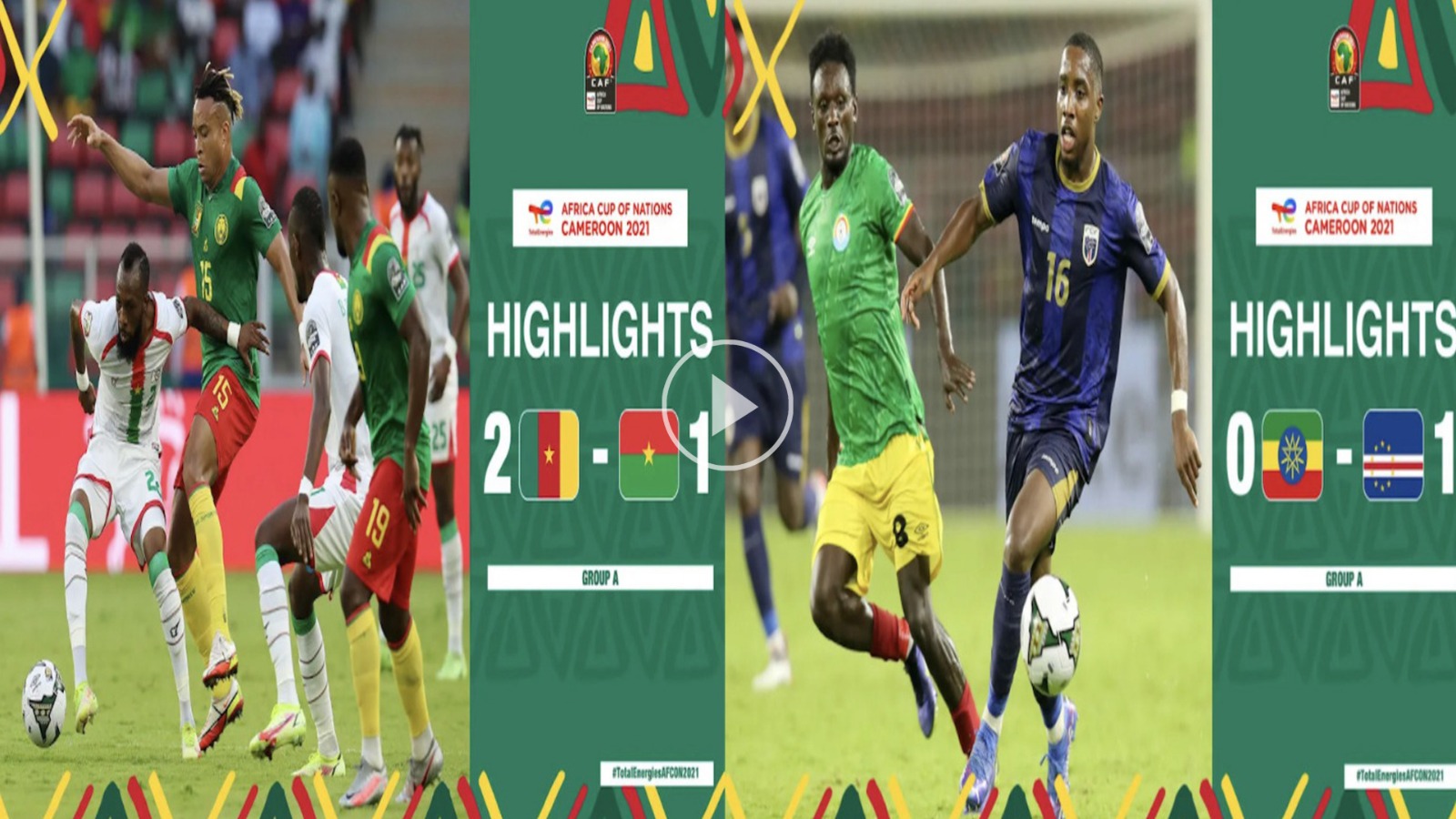
The 2026 FIFA World Cup concluded with Spain's victory over Argentina in the final, held in New Jersey. This marked the end of an exceptional edition that featured 48 teams for the first time, amidst widespread praise and renewed debate about the impact of the expansion on the tournament's quality. FIFA President Gianni Infantino described the new format as "the biggest event in human history," comparing the tournament, held in the United States, Mexico, and Canada, to a massive sporting event, which included 104 matches played in a single month. The tournament saw the participation of several new teams for the first time, including Curaçao, Cape Verde, Jordan, and Uzbekistan. Some of these teams delivered remarkable performances, adding further excitement to the competition. Cape Verde, in particular, surprised everyone with strong showings against established powerhouses, managing draws against Spain, Uruguay, and Saudi Arabia, before continuing their run with a powerful performance against Argentina in the knockout stages. The performance of the newly formed teams was one of the most significant gains of the expanded tournament format, as they proved their ability to compete with the established powerhouses. Curaçao secured a surprising draw against Ecuador, while the Democratic Republic of Congo managed to snatch a point against Portugal, confirming that the increased number of participants gave many teams the opportunity to make history. However, the new format also raised several questions, most notably the impact of the increased number of teams on the overall quality of play, particularly in the group stage, which saw 72 matches played before 16 teams were eliminated – a higher number than in previous editions. The mandatory water breaks also sparked considerable debate among fans and coaches, as they became a regular part of the matches. Some argued that they gave coaches the opportunity to make tactical adjustments, while others felt they disrupted the flow of the game. FIFA, however, maintained that the breaks were implemented to protect the players' health. The tournament also witnessed discussions about ticket prices, political interference, and the level of refereeing and the Video Assistant Referee (VAR) technology, which continued its strong presence, with 37 interventions during the tournament, a rate close to previous editions. The speed of decision-making was praised compared to some domestic competitions. Despite the controversy surrounding the expansion and some organizational changes, the 2026 World Cup delivered many historic moments, from the emergence of new teams to intense knockout matches, culminating in the final won by Spain. The most prominent question after the tournament's conclusion remains: Has the expanded World Cup become more inclusive and exciting, or does it need a review to maintain the highest levels of competition?