



Final grass scandal embarrasses FIFA
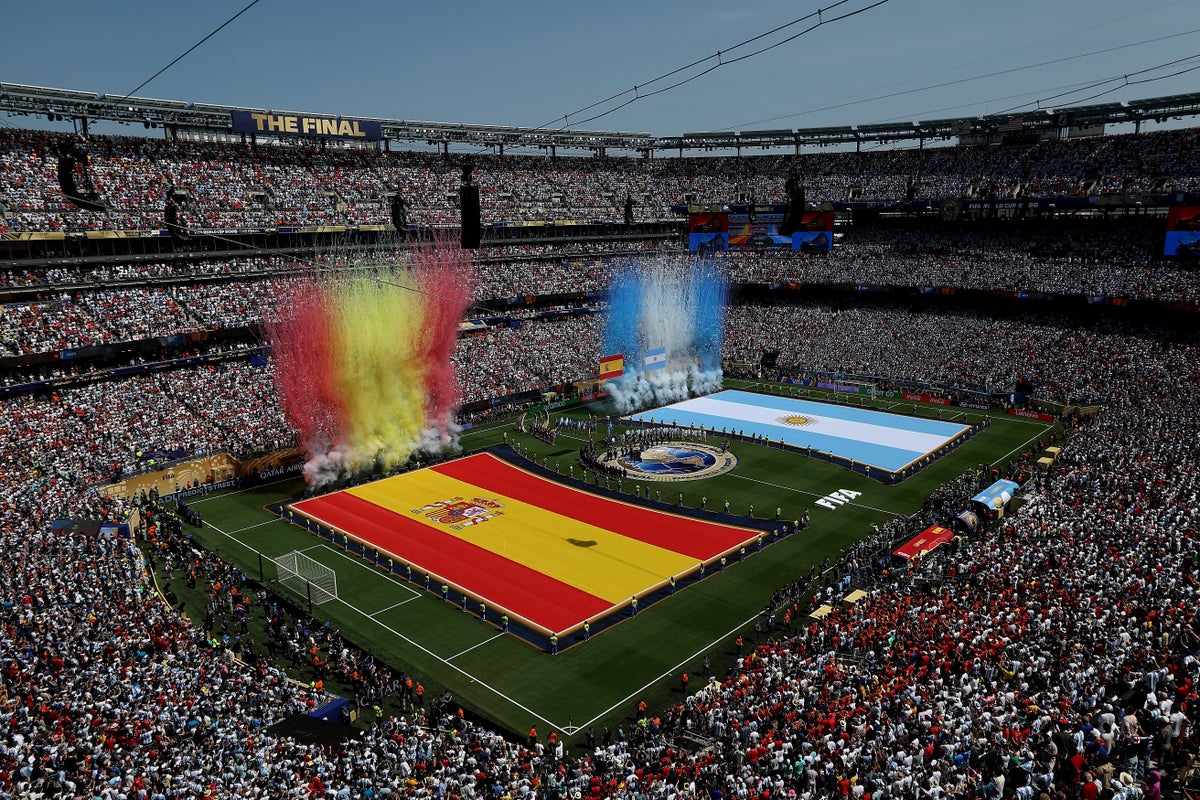
Despite the conclusion of the 2026 World Cup with Spain's victory, the tournament's repercussions continued off the pitch. A dispute erupted between New Jersey and FIFA over the sale of portions of the MetLife Stadium pitch, which hosted the final match. This move sparked widespread objections from state officials. A report in The Athletic revealed that FIFA offered commemorative pieces of the pitch for sale in special molds, with prices ranging from $450 to $3,000. Thousands of molds were produced, potentially generating significant revenue if all were sold. The decision angered New Jersey officials, as official documents showed the state had spent over $13 million converting the MetLife Stadium pitch from artificial to natural grass to meet tournament requirements. They argued that taxpayers were the rightful beneficiaries of any revenue generated from the sale of parts of the pitch. A spokesperson for the governor emphasized that the funds used to prepare the pitch came from the state budget, therefore the profits from the grass sale should go to the people of New Jersey, not to other entities. Lawmakers from both the Democratic and Republican parties joined the objections, demanding a legal review of the sale and even legal action if necessary. In contrast, informed sources explained that FIFA does not receive all the revenue, as the sale only covers a small portion of the stadium's land. The majority of the proceeds go to the organizing committee for reinvestment in projects benefiting the region, while FIFA receives a limited percentage for its commercial rights. Despite these clarifications, New Jersey authorities maintained their position, insisting that any profits related to the stadium's land should go directly to the state's residents, not be distributed among joint projects between New York and New Jersey. This dispute is the latest in a series of crises that have plagued the tournament between New Jersey and FIFA. Previous disagreements included the costs of public transportation to matches, the official name of the final stadium, and the mechanism for distributing discounted tickets—issues that remained contentious even after the conclusion of the historic tournament that saw Spain crowned champions of the 2026 World Cup.