



The oldest in history... the 2026 World Cup is a tournament for veterans

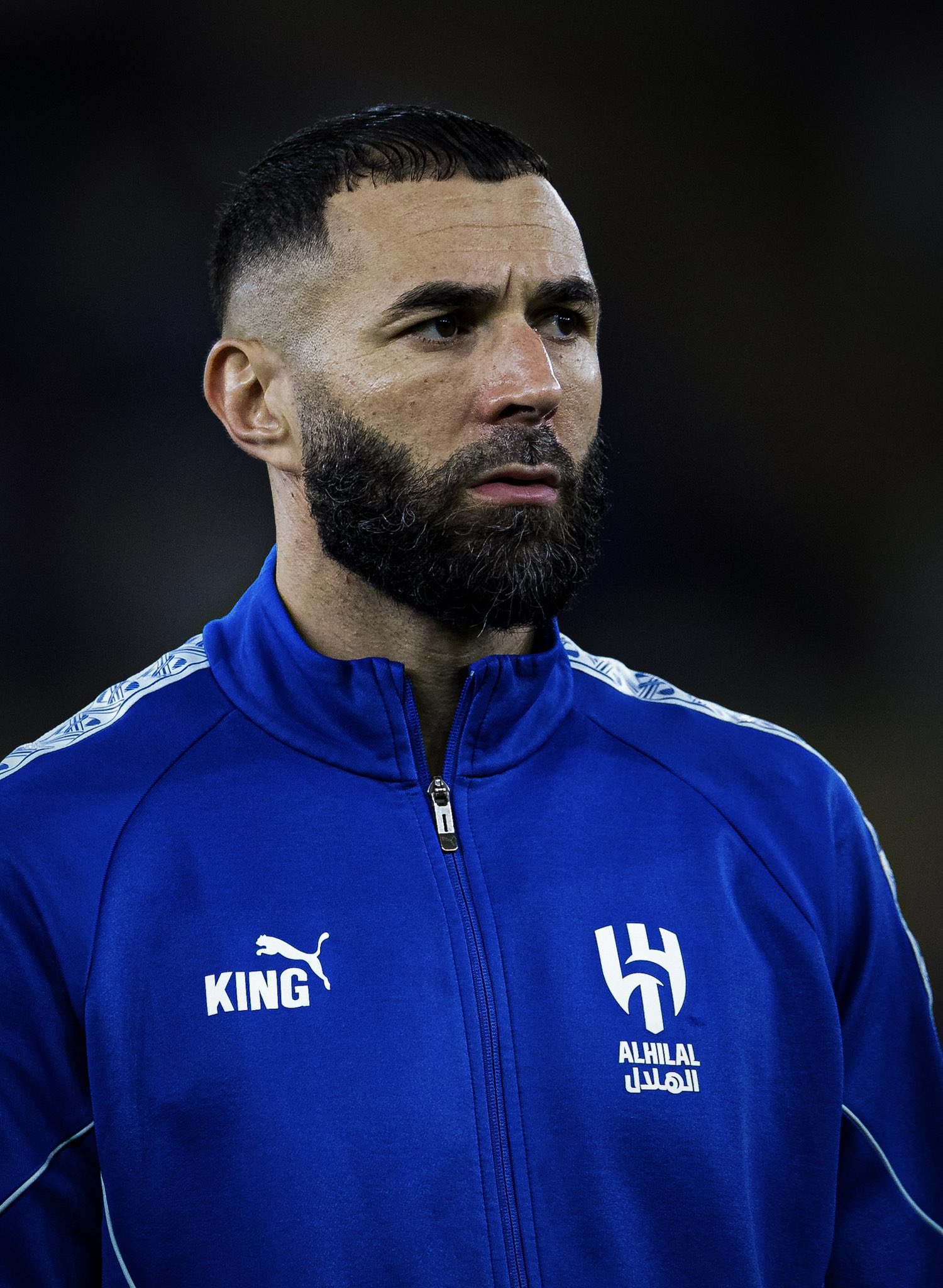
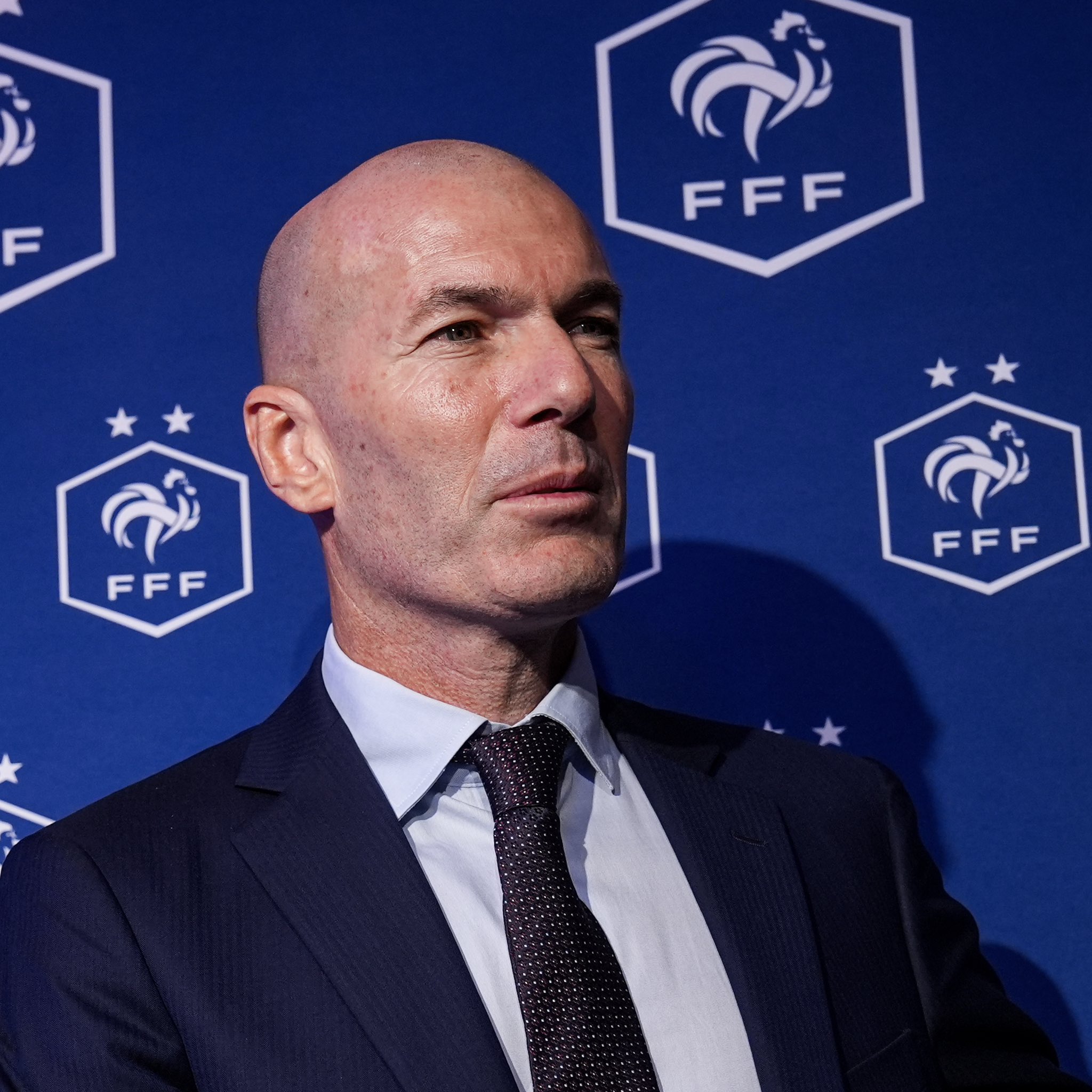
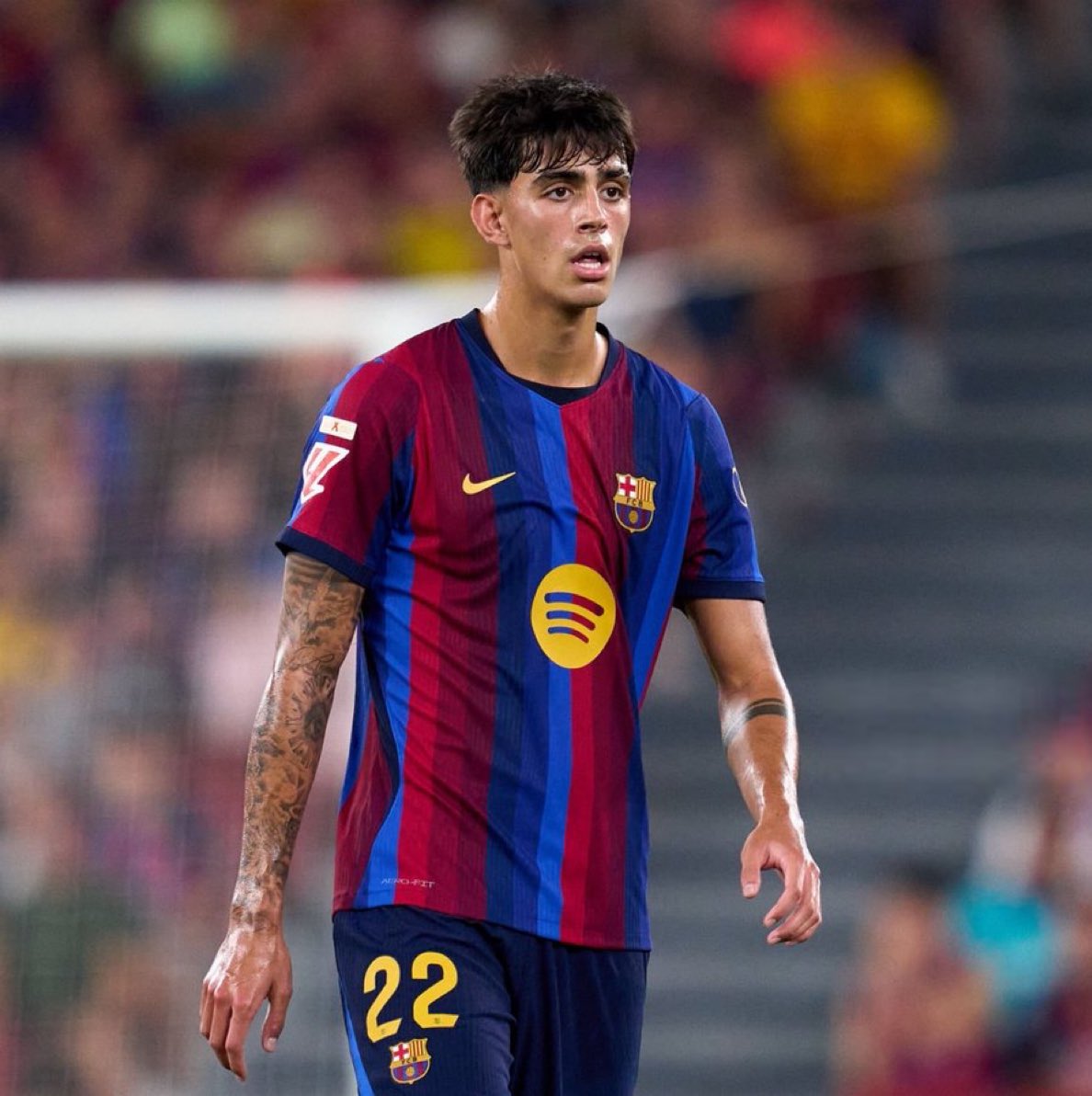
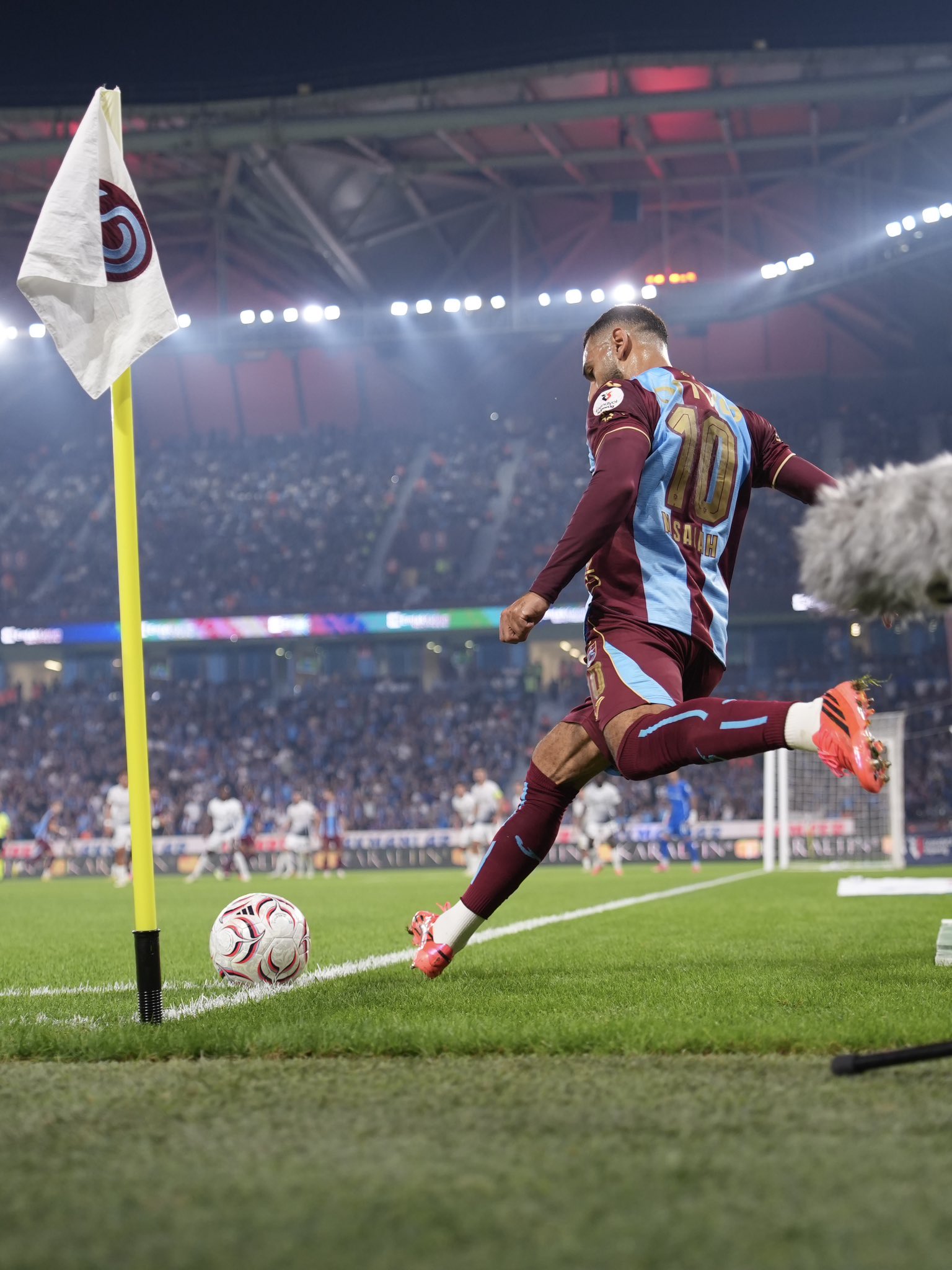
While most football clubs around the world are investing in young players and building teams for the future, the 2026 World Cup has confirmed that experience remains the most valuable asset for national teams. The current edition has recorded the highest average age of starting lineups in the tournament's history, making it the most reliant on veteran players since records began in 1966. Before the 2026 World Cup, it was widely believed that the 2022 Qatar tournament would be the final appearance for several legends of the game, most notably Cristiano Ronaldo and Lionel Messi, along with Luka Modric, Ivan Perisic, and Manuel Neuer, especially given their advancing age and the fact that some are approaching forty. However, reality has proven otherwise, as these stars have continued to feature for their national teams and retained their places on the rosters, reflecting the transformation taking place in modern football. The figures indicate that the average age of the starting lineups for the 2026 World Cup was 28 years and 117 days, the highest average in the tournament's history, surpassing the previous record set by the 2018 Russia edition by 106 days. The 2026 tournament also became the first to feature so many players continuing to compete into their late thirties and even beyond forty. The tournament included four of the ten oldest players to have participated in World Cup history, an unprecedented number, and featured several other players over thirty-nine, including Manuel Neuer, Foznić, Fernando Muslera, Yuto Nagatomo, and Hernán Galín, clearly demonstrating the continued ability of experienced players to compete at the highest level. The record-breaking didn't stop there. Dan Byrne became the oldest outfield player to make his World Cup debut for England since 1950, while Cape Verde and Colombia entered the tournament's history books with the highest average starting lineups in the knockout stages. Iran fielded the oldest starting eleven in a World Cup match since 1966 against Belgium. Analysts attribute this shift to significant advancements in nutrition, sports medicine, and physical conditioning, along with the increasing reliance on technology and data analysis. This has helped players extend their professional careers and maintain their technical and physical levels for longer periods compared to previous generations. However, this trend faces a clear challenge: the ever-increasing number of matches per season. This includes changes to the Champions League format, the expansion of the Club World Cup, the increase in the World Cup to 48 teams, and the expansion of the European Championship. These factors increase the physical strain on players and may affect their ability to continue playing well into their later years. Despite this, the 2026 World Cup confirmed that the experience factor still enjoys the confidence of coaches in the biggest international events, and that many of the stars whom everyone expected to leave the tournament after the Qatar World Cup are still able to compete and make a difference, giving the fans a new opportunity to enjoy one of the most prominent generations in the history of football, and confirming that age is no longer the obstacle it was in the past, as long as the player is able to deliver the required performance on the green rectangle.