



Mostafa Shobeir continues his father's World Cup legacy
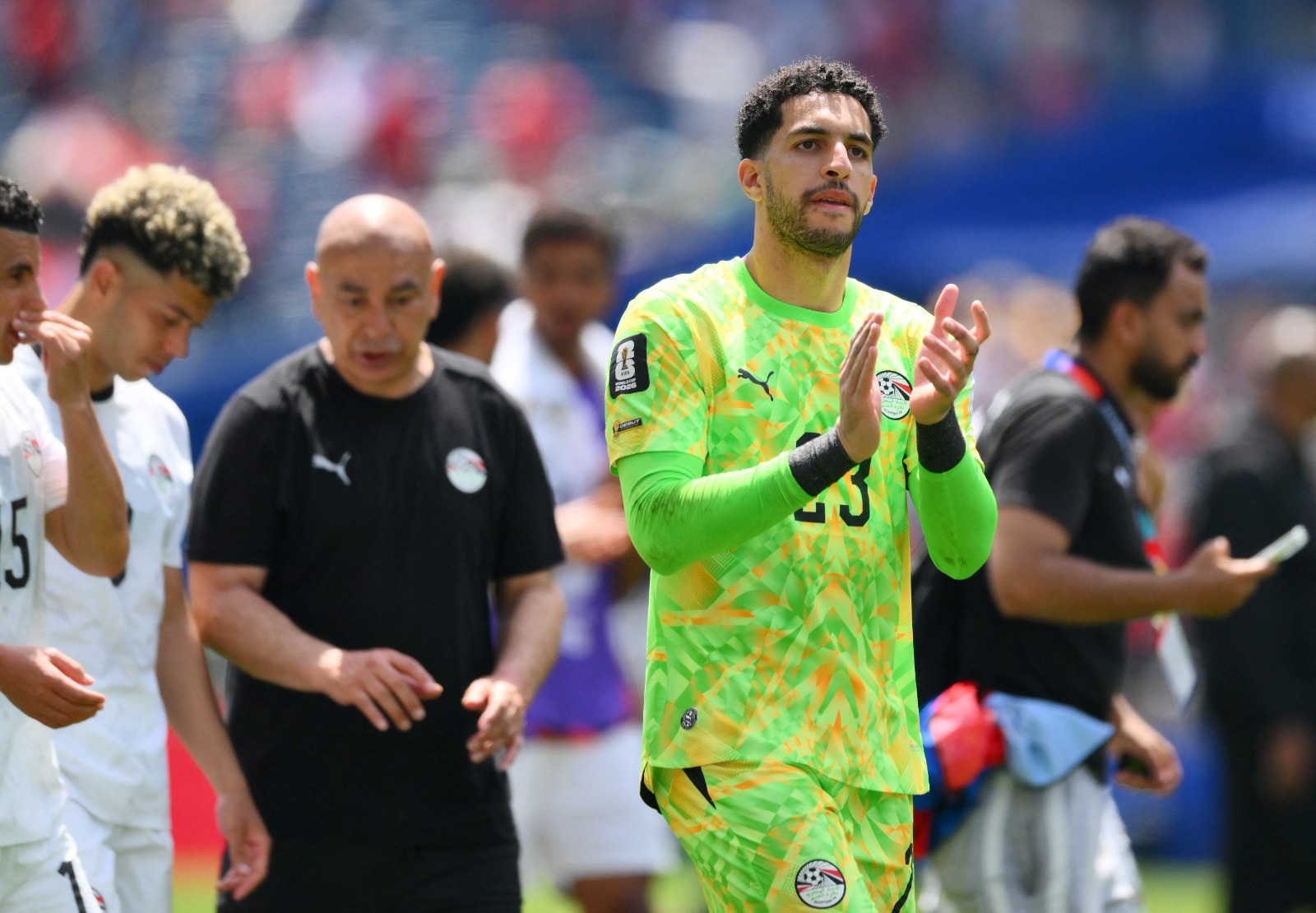
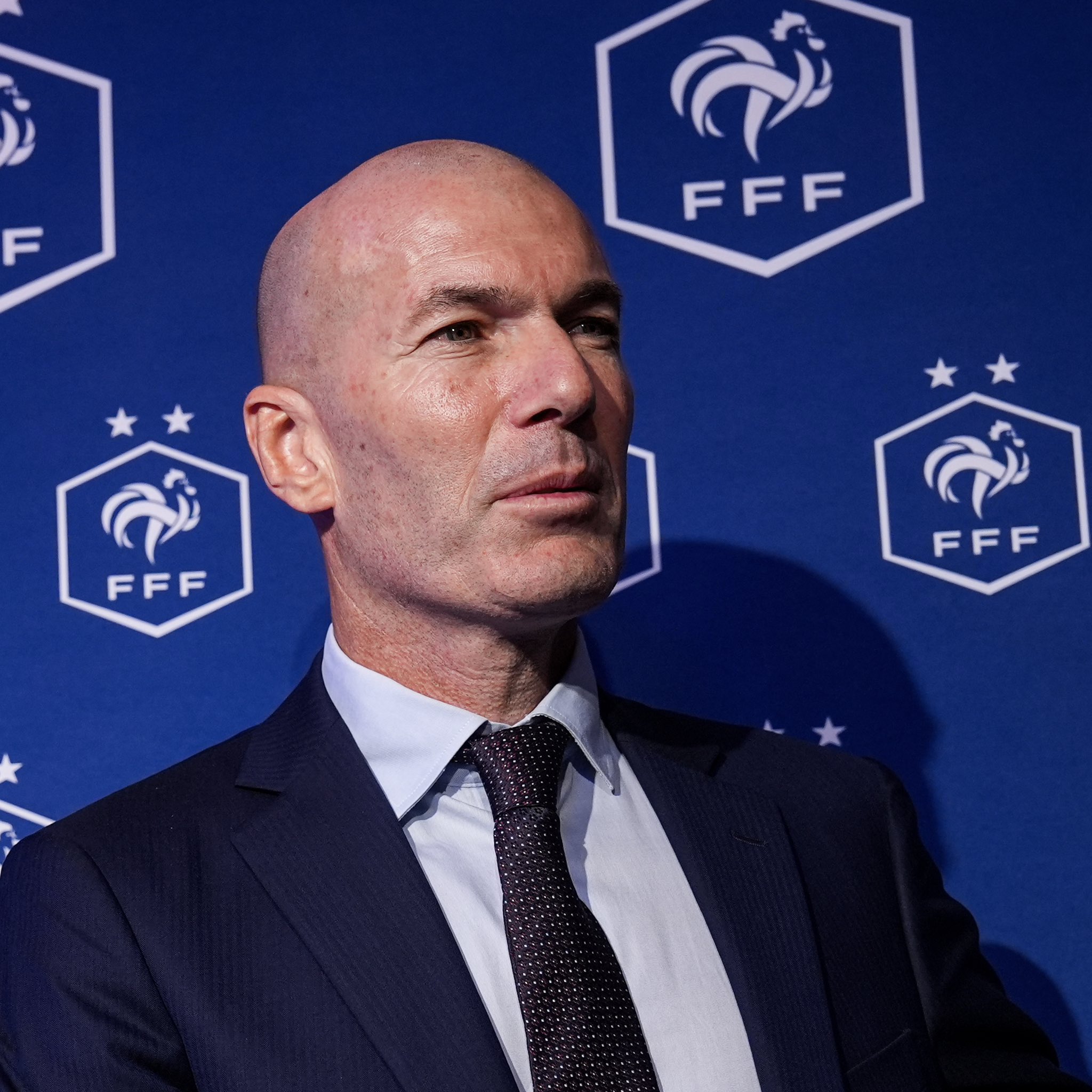
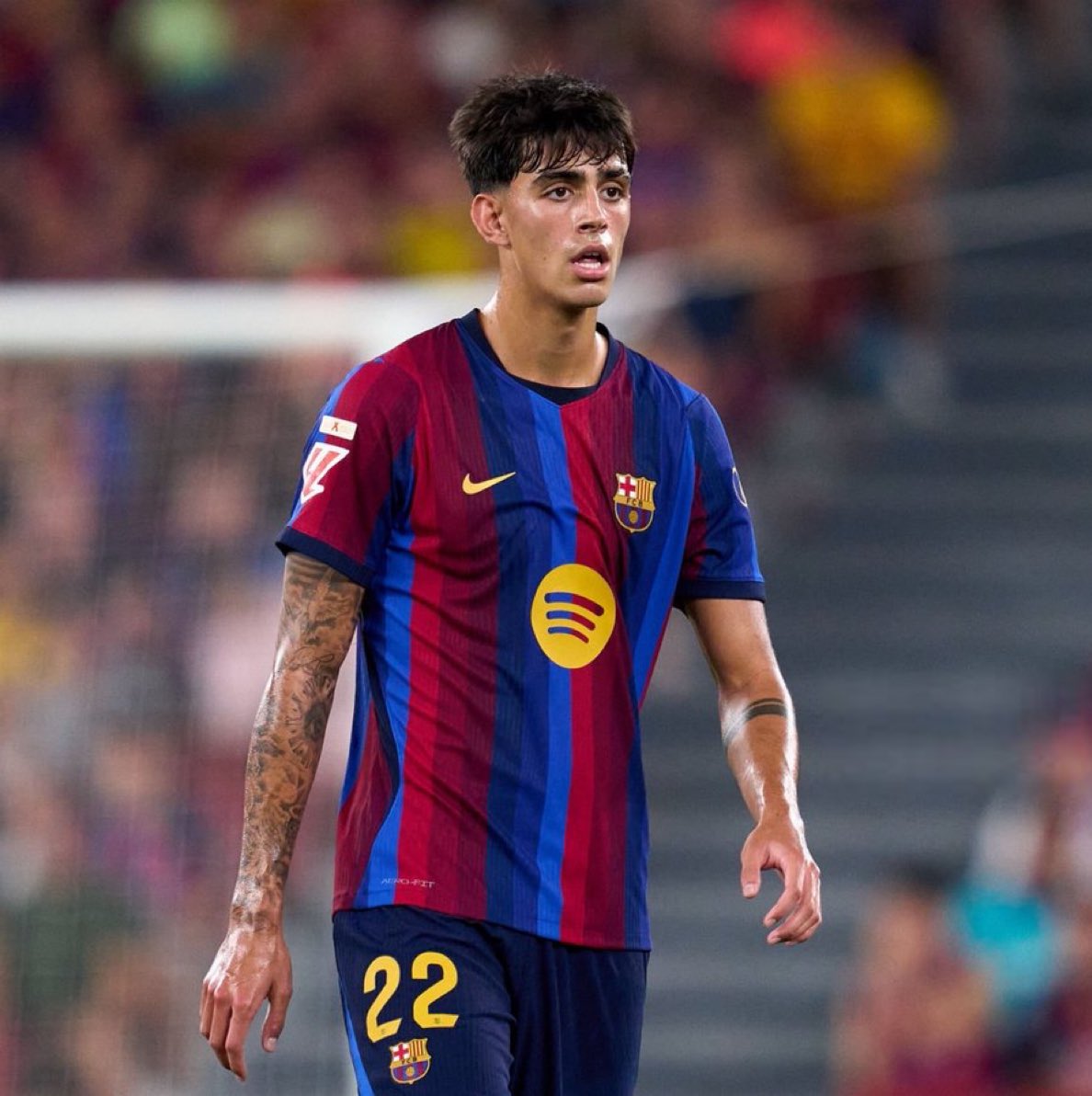
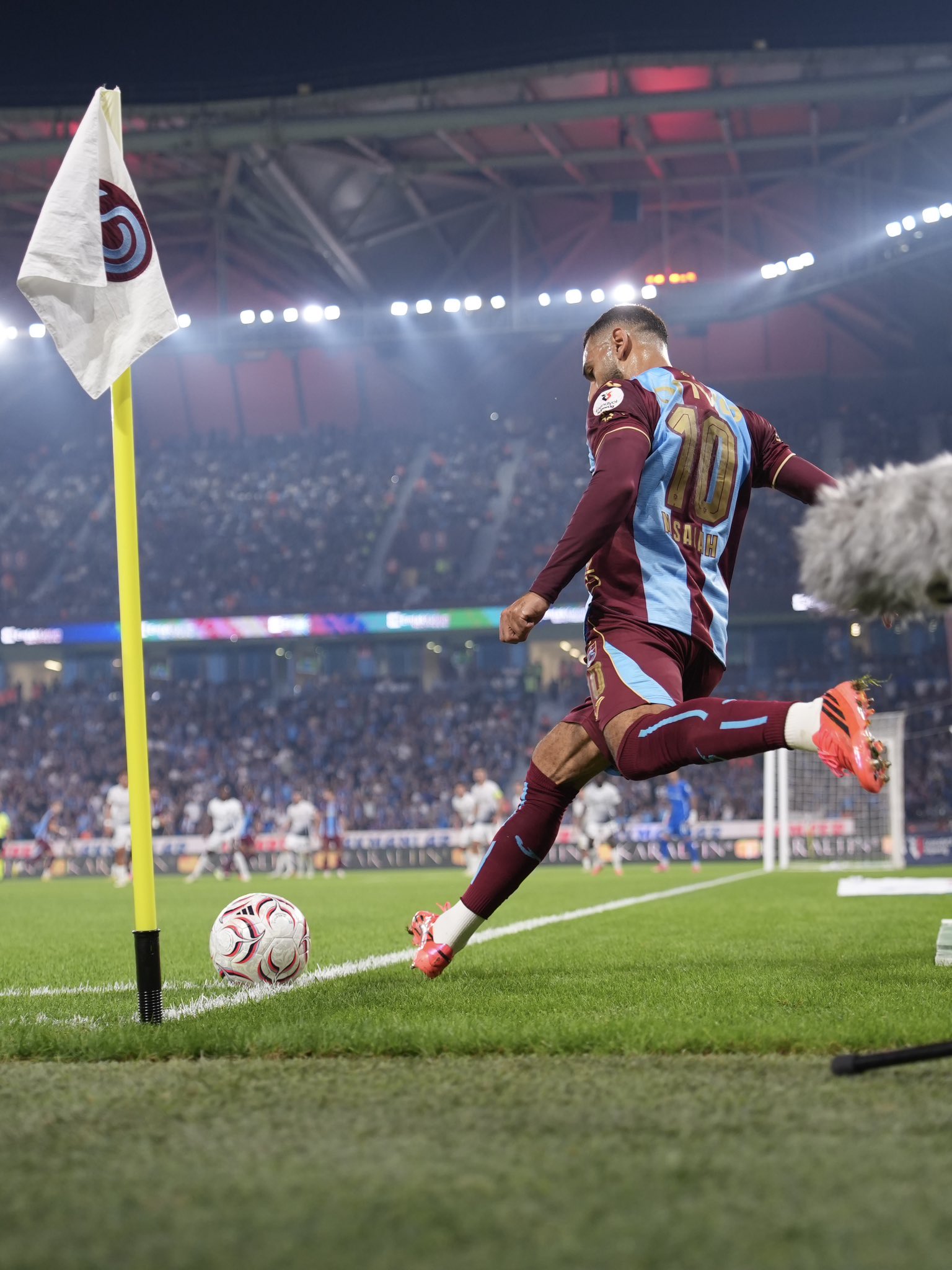
Egyptian goalkeeper Mostafa Shobeir has joined the ranks of players who have followed in their fathers' footsteps at the World Cup finals, after featuring for the Pharaohs against Belgium. His appearance brings to mind his father, Ahmed Shobeir, who represented Egypt at the 1990 World Cup in Italy. Mostafa Shobeir's debut at the world's biggest football tournament comes after years of hard work and development, during which he established himself as a key player for the Egyptian national team, outperforming several prominent names, most notably his Al Ahly teammate, Mohamed El Shenawy. His participation is seen as a continuation of a family tradition linked to the Egyptian national team's goalkeeping, spanning two generations separated by more than three decades. The phenomenon of "fathers and sons" at the World Cup has garnered widespread attention, as it embodies both human and sporting stories that reflect the transfer of passion and experience between generations. In this edition of the tournament, the presence of the Shobeir family isn't limited to them alone. Luca Zidane, son of the French legend Zinedine Zidane, who led France to victory in the 1998 World Cup and to the final in 2006, is also participating. The tournament also features American midfielder Sebastian Berhalter, who continues the legacy of his father, Gregg Berhalter, a member of the US national team in the 2002 World Cup, thus becoming another addition to the list of families who have left their mark on the global competition. Throughout World Cup history, the stadiums have witnessed many famous father-son duos. Among the most prominent of these names are the Italian pair of Cesare Maldini and his son Paolo Maldini, each representing the Italian national team in different eras, with the son leaving an exceptional legacy that established him as one of the greatest defenders in the history of the game. In France, Youri Djorkaeff carried on the legacy of his father, Jean Djorkaeff, while Spanish football has seen the presence of two prominent families; The first generation included Xabi Alonso and his father, Miguel Ángel Alonso, while the second featured Pepe Reina and his father, Miguel Reina. Both generations reached the pinnacle of success by winning the 2010 World Cup. In the Americas, the story of Javier Hernández stands out. He followed in the footsteps of his father, Javier Hernández Gutiérrez, becoming one of the most prominent and experienced strikers in the history of the Mexican national team. For Mostafa Shobeir, participating in the World Cup is not just another international appearance; it represents a significant milestone, placing him among the footballing families who have successfully passed down sporting glory from generation to generation. It also confirms that Shobeir's name will remain etched in the memory of Egyptian football across two distinct eras, both united by the biggest tournament in the world of football.