




Drones pose a security challenge at the World Cup
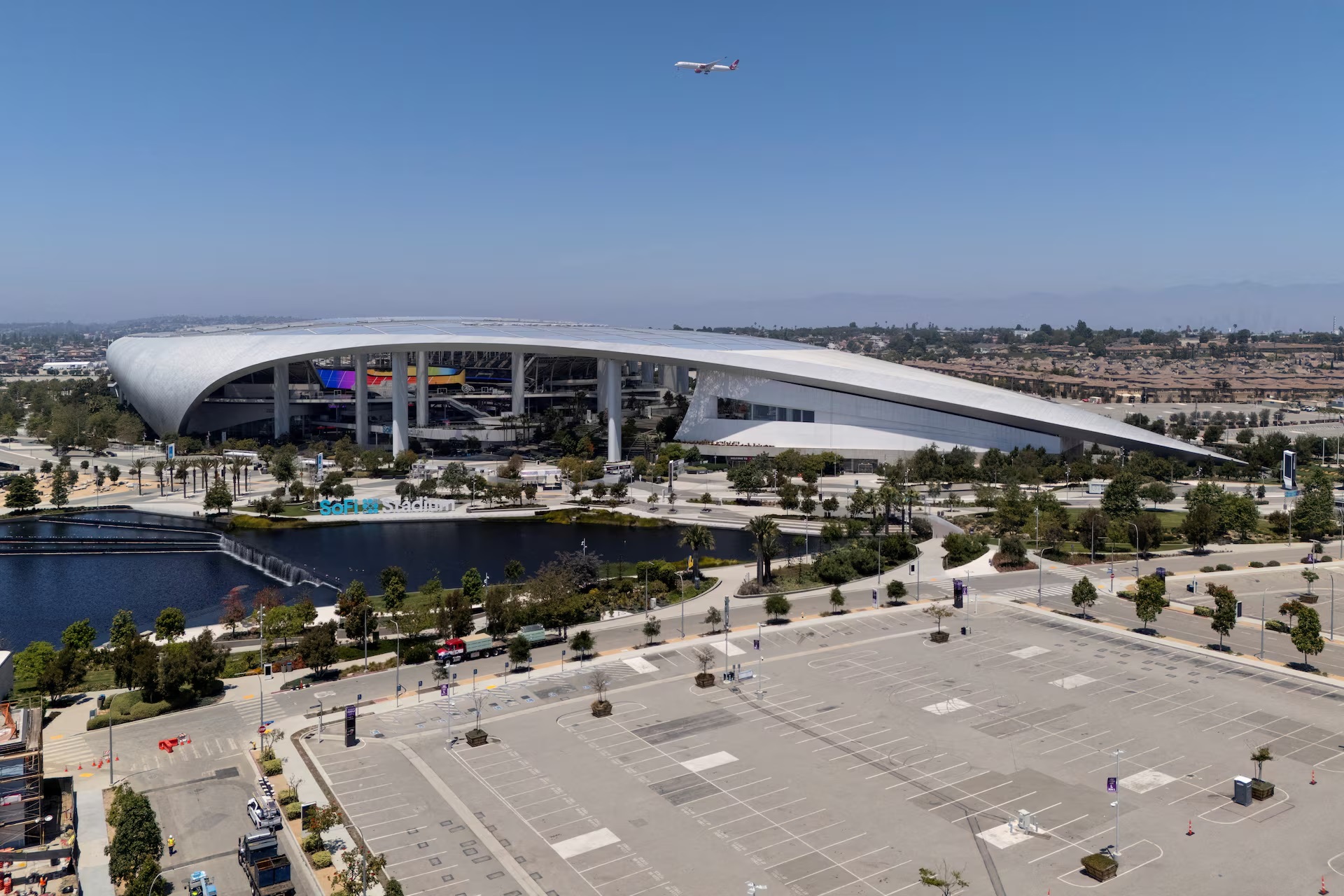
World Cup organizers are preparing to confront a growing security challenge posed by drones, which are among the most prominent modern threats to major sporting events, given their widespread use, ease of operation, and advanced technological capabilities. Security agencies in the United States, in collaboration with private sector partners, are developing comprehensive plans to secure stadiums, fan zones, team hotels, training sites, and transportation networks between host cities, anticipating any illegal or uncontrolled use of these aircraft. Security experts believe that drones have become a complex element in the security system, as they can bypass traditional security barriers and reach restricted areas at high speed, making them more difficult to manage compared to traditional security threats in and around stadiums. Airspace monitoring companies estimate that these drones could be used for multiple purposes, including unauthorized filming, gathering information on security procedures, or even for display by fans, further complicating their use during the tournament. Security and anti-drone technology companies are deploying sophisticated monitoring systems capable of detecting signals, tracking drones, and pinpointing their operational locations when possible, in direct cooperation with law enforcement agencies in the host cities. However, shooting down these drones is a complex option in crowded areas due to concerns about debris falling on spectators. This often leads authorities to focus on identifying the operator and addressing the threat in a precise and non-escalatory manner. Security measures are expected to include extensive air restrictions around stadiums on match days, with no-fly zones and low-altitude areas to minimize the chances of unauthorized airspace intrusion. As the number of host cities and match venues increases, the security landscape becomes more complex, particularly in large cities with overlapping administrative boundaries, requiring high-level coordination between various local and federal agencies. Experts believe that the lessons learned from this tournament may contribute to the development of future security strategies for major upcoming events, given expectations that the use of drones will become more widespread and sophisticated in the coming years, making dealing with them a permanent part of global sports security plans.