



FIFA approves 26-player squads for the World Cup
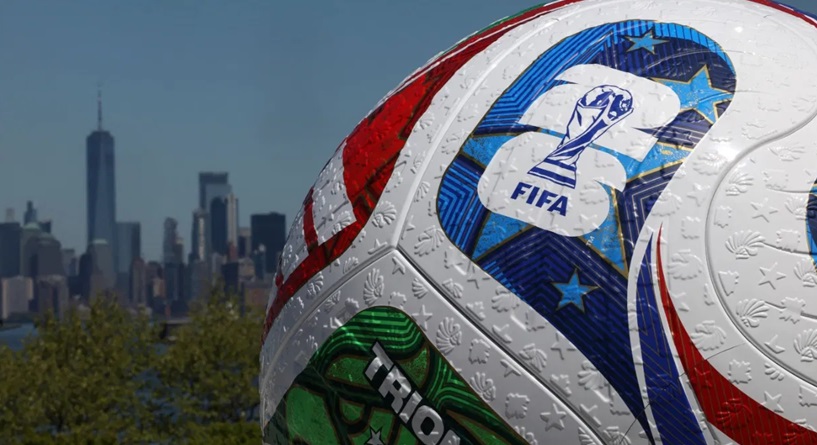
FIFA has announced a series of organizational changes for the upcoming World Cup, most notably allowing each team to select a final squad of up to 26 players, the same system used in the previous edition of the tournament. According to details released by FIFA, the 48 participating teams will submit extended preliminary lists of between 35 and 55 players, including at least four goalkeepers. FIFA confirmed that these preliminary lists will not be made public and will be used solely for internal organizational and administrative purposes related to the tournament. Regarding the final squad, FIFA clarified that it will consist of 23 to 26 players, including three goalkeepers, and will be officially confirmed by June 2nd, the deadline for finalizing the names of participating players. FIFA has also established a precise mechanism for handling injuries or emergencies. Substitutions to the final squad will only be permitted from the preliminary list in cases of serious injury or illness, and only if the substitution is made at least 24 hours before the team's first match in the tournament. He added that the goalkeeper can be replaced at any time during the tournament if he suffers an injury or health condition that prevents him from continuing. This system is an extension of the gradual evolution in the number of players allowed in the World Cup throughout history. Final squads consisted of 22 players until the 1998 edition, before increasing to 23 players starting with the 2002 edition, and later settling at 26 players in modern editions. This gives teams greater flexibility in dealing with the pressure of matches and the density of the schedule. The next World Cup will be hosted by the United States, Mexico, and Canada from June 11 to July 19, with a strong Arab presence including eight teams: Egypt, Tunisia, Algeria, Morocco, Saudi Arabia, Qatar, Iraq, and Jordan, spread across Africa and Asia. This expansion of squad sizes is expected to give coaches more room to choose and rotate players, especially with the increased level of competition and the greater number of matches in the new, expanded tournament format. This makes managing physical readiness one of the most important factors for success in the upcoming World Cup.