



77% of CAS cases concern football.
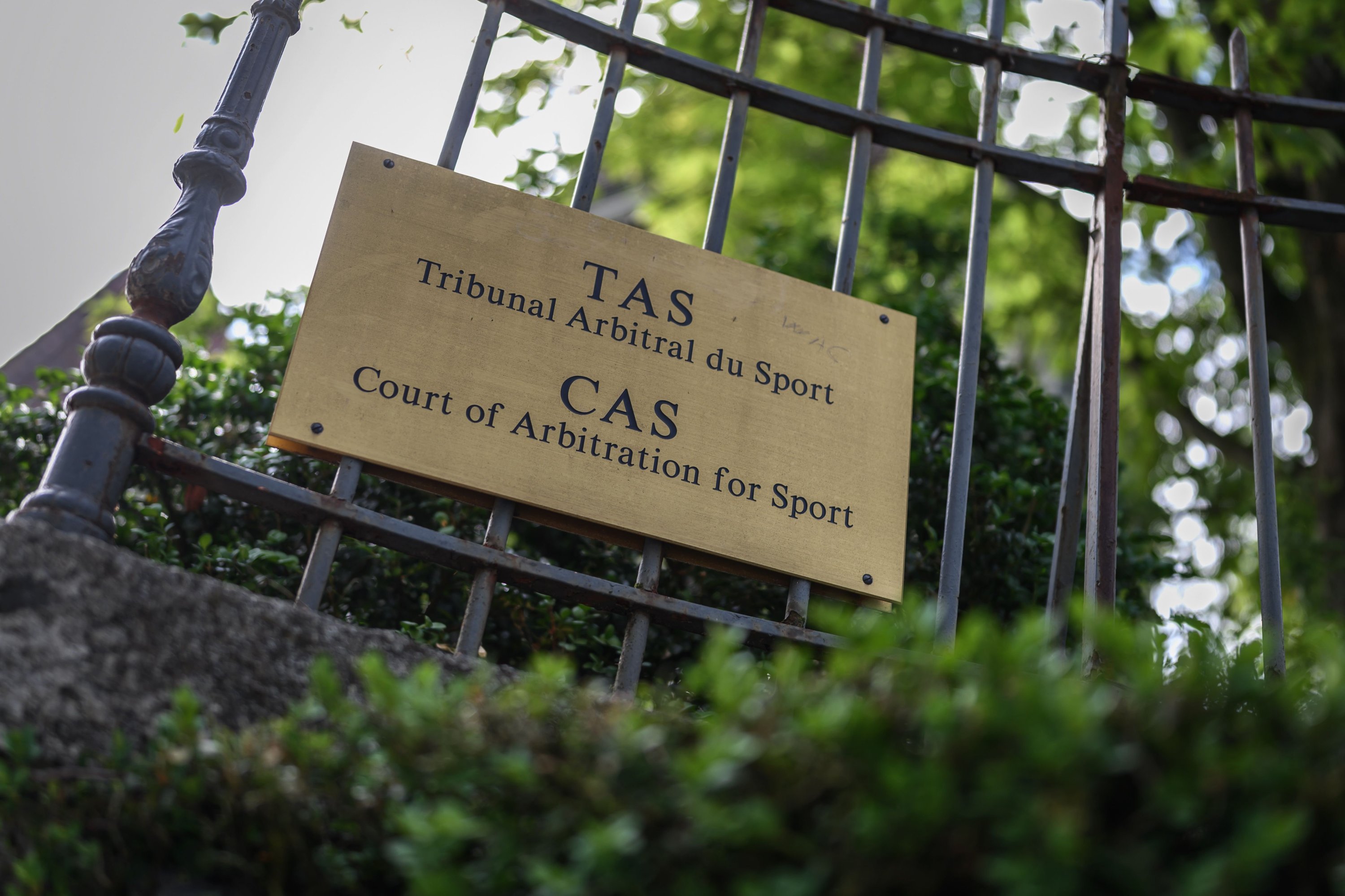
FIFA has released the fourth edition of its Court of Arbitration for Sport (CAS) Annual Report for 2025, highlighting legal activity and appeals against FIFA decisions before CAS. The report reveals that football-related disputes continue to dominate the sports legal landscape, accounting for 77% of all cases registered with CAS in 2025. It includes a comprehensive review of key CAS and Swiss Federal Court case law, drawing on data from FIFA's quarterly reports. CAS remains the competent body for appeals against final decisions of FIFA's governing bodies, providing member associations, clubs, players, and agents with an independent legal avenue to resolve disputes and ensure fairness within the global football community. The CAS Annual Report for 2025, published by FIFA in February 2026, provides a comprehensive analysis of football-related legal and judicial activity during the past year. The report reveals a rise in the number of appeals against FIFA decisions, reaching 346 compared to 326 in 2024. Football accounts for 77.5% of all cases registered with the Court of Arbitration for Sport (CAS). FIFA participated as a party in 150 cases, while it was excluded or not a party in 196 other cases related to contractual disputes. Regarding the outcomes, the report shows that CAS upheld FIFA's decisions in 81% of cases, either by rejecting the appeal entirely or by partially upholding it while preserving the core of the decision. Only 11% of the decisions were overturned, and 8% of the appeals were deemed inadmissible. The report also notes a significant shift towards digitalization, with 83% of hearings conducted online. As for the timeframes, the average duration of litigation was 419 days. Cases relying solely on written submissions were processed more quickly, averaging 324 days, compared to cases requiring hearings, which averaged 446 days. Labor and employment disputes still account for more than half of all cases, followed by disciplinary and transfer cases. English remained the most common language, representing 74% of the proceedings, followed by Spanish at 19%.